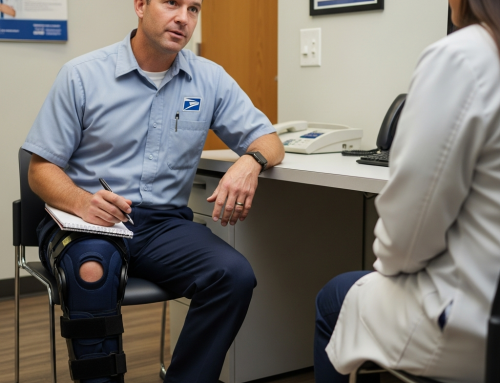
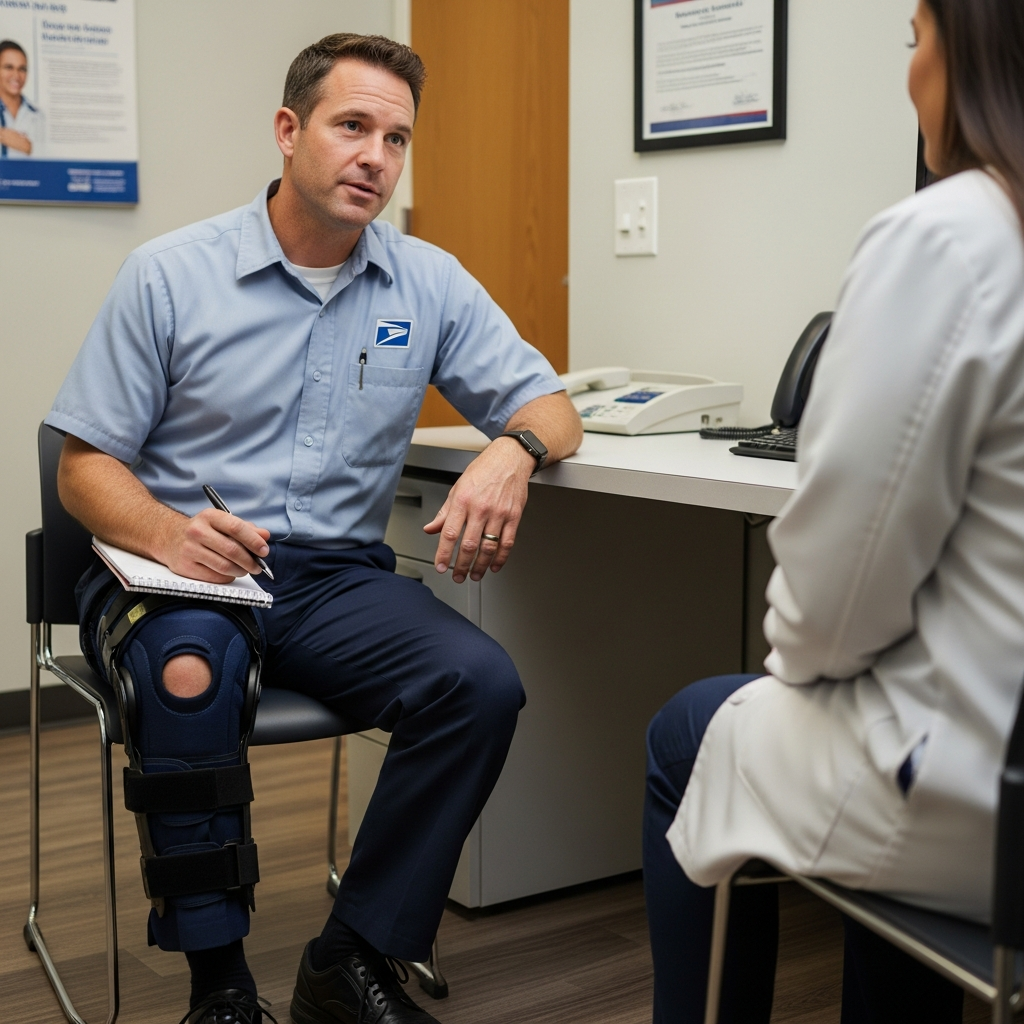
How DOL Doctors Support FECA Claims in Atlanta

You’re sitting in your car outside the doctor’s office, staring at another insurance form that might as well be written in ancient Sanskrit. Your back’s been killing you since that fall at work three months ago, and honestly? You’re starting to wonder if anyone actually believes you’re in pain. The workers’ comp people keep asking for more documentation, your regular doctor seems rushed during appointments, and meanwhile… you’re just trying to get better so you can get back to your life.
Sound familiar?
Here’s the thing about federal workers’ compensation – or FECA claims, as they’re officially called – they’re a completely different beast than regular workers’ comp. And if you’re a federal employee in Atlanta dealing with a work-related injury, you’ve probably already discovered this the hard way. The paperwork alone could choke a horse, and don’t even get me started on trying to navigate the Department of Labor’s requirements while you’re dealing with actual, you know, *pain*.
But here’s what most people don’t realize: there are doctors out there who actually specialize in this maze. They’re called DOL (Department of Labor) doctors, and they understand the FECA system inside and out. Think of them as translators – they speak both “medical” and “federal bureaucracy” fluently.
I’ve watched too many federal employees struggle through this process alone, thinking their family doctor or the urgent care clinic down the street can handle their FECA paperwork. Sure, these doctors are great at what they do… but asking them to navigate federal workers’ comp is like asking your neighborhood mechanic to fix a spacecraft. They might give it their best shot, but wouldn’t you rather have someone who actually knows how the thing works?
The reality is that FECA claims are notoriously complex. The Department of Labor has specific requirements for medical documentation, particular forms that need to be completed in very particular ways, and – this is crucial – they want ongoing medical management that follows their guidelines, not just general medical practice. Miss a step, fill out the wrong form, or provide incomplete documentation, and your claim could get delayed… or worse, denied.
And let’s be honest about something else – you’re probably dealing with more than just the physical injury. Maybe you’re worried about your job security, stressed about medical bills, or frustrated because you feel like you’re not being heard. When you’re already overwhelmed, the last thing you need is a doctor who doesn’t understand why you need specific language in your medical reports or why certain forms are absolutely critical to your case.
DOL doctors in Atlanta? They get it. They’ve seen the bureaucratic tangles, they know which documentation the Department of Labor actually pays attention to, and they understand that your claim isn’t just about medical treatment – it’s about your livelihood, your future, and your ability to support your family.
Think about it this way: if you needed heart surgery, you wouldn’t go to a dermatologist, right? So when you need medical support for a federal workers’ compensation claim, why not work with someone who specializes in exactly that?
Over the next few minutes, we’re going to walk through how DOL doctors actually support FECA claims – not just the obvious stuff like treating your injury (though that’s obviously important), but the behind-the-scenes work that can make or break your case. We’ll talk about what makes these doctors different, how they communicate with the Department of Labor on your behalf, and honestly… why having one in your corner might be the difference between a smooth claims process and a bureaucratic nightmare.
You’ll learn what to look for when choosing a DOL doctor in Atlanta, what questions to ask during your first appointment, and how to make sure you’re getting the kind of comprehensive support that actually moves your claim forward. Because here’s the truth – you deserve medical care that not only helps you heal, but also understands the system you’re navigating.
Ready to finally feel like someone’s actually on your team?
What Makes FECA Different from Regular Workers’ Comp
Look, if you’re a federal employee dealing with a work injury, you’ve probably already discovered that FECA isn’t like your typical workers’ compensation system. It’s… well, it’s kind of like comparing a Swiss watch to a smartphone. Both tell time, but they work completely differently under the hood.
The Federal Employees’ Compensation Act covers federal workers – postal employees, TSA agents, park rangers, you name it. But here’s where it gets interesting (and honestly, a bit frustrating): you can’t just walk into any doctor’s office and expect them to know what they’re doing with your claim. That’s where DOL doctors come in.
The DOL Doctor Designation – It’s Not What You Think
When people hear “DOL doctor,” they often imagine some government employee in a sterile federal building. Actually, that reminds me of my neighbor who thought all military doctors were in the Army… anyway, DOL doctors are actually private physicians who’ve jumped through specific hoops to work with the Department of Labor.
Think of it like being a preferred contractor. These doctors have agreed to follow DOL’s rules, use their forms, and – this is crucial – accept their payment rates. It’s not that different from how some doctors accept certain insurance plans while others don’t.
But here’s the kicker: not every DOL doctor is created equal. Some treat FECA patients as an afterthought, squeezing them in between their regular patients. Others? They’ve built their entire practice around understanding the federal system. Guess which ones tend to get better results for their patients.
Why Your Regular Doctor Might Not Cut It
You know that feeling when you’re trying to explain something technical to someone who just… doesn’t get it? That’s often what happens when regular doctors try to navigate FECA claims. They’re excellent physicians – don’t get me wrong – but the federal system has its own language, its own timelines, its own peculiar requirements.
Your family doctor might write “patient has back pain” on a report. Seems reasonable, right? But FECA claims officers need specific details about work-relatedness, functional limitations, and return-to-work capabilities. It’s like the difference between saying “the car won’t start” versus providing a detailed diagnostic report to your mechanic.
The Atlanta Advantage (And Challenge)
Atlanta’s got this interesting mix when it comes to FECA claims. On one hand, you’ve got a huge federal workforce – the CDC, various agencies, massive postal operations. That means there are experienced DOL doctors who really know their stuff.
On the flip side, it also means competition for appointments can be… intense. I’ve heard from patients who’ve waited weeks to see certain specialists, only to discover the doctor was more focused on getting through their patient load than actually understanding their specific situation.
What DOL Doctors Actually Do for Your Claim
Here’s where things get practical. A good DOL doctor doesn’t just treat your injury – they become your translator to the federal bureaucracy. They know that when they write a report, someone at the Department of Labor is going to scrutinize every word.
They understand that vague statements like “patient is improving” won’t cut it. Instead, they’ll document specific functional improvements: “Patient can now lift 25 pounds without exacerbating lower back pain, up from 15 pounds at last visit.” It’s detailed, measurable, and gives the claims officer something concrete to work with.
These doctors also know the timing game. FECA has strict deadlines – miss them, and your claim can hit roadblocks that take months to resolve. A DOL doctor who knows the system will get reports filed on time and follow up appropriately.
The Human Side of Federal Medicine
What really sets apart the best DOL doctors in Atlanta isn’t just their paperwork skills (though those matter). It’s that they understand the unique stress federal employees face when dealing with work injuries.
You’re not just dealing with pain and recovery – you’re navigating a complex federal system while potentially facing pressure from supervisors who may not fully understand FECA protections. The right doctor gets that this isn’t just about your physical healing… it’s about protecting your career and your financial stability while you recover.
And honestly? That understanding can make all the difference between a claim that moves smoothly and one that becomes a bureaucratic nightmare.
Finding the Right DOL Doctor in Atlanta
Here’s what most people don’t realize – not every doctor who says they handle FECA claims actually knows what they’re doing. You need someone who speaks DOL’s language fluently, and that’s… well, it’s rarer than you’d think.
Start with the DOL’s provider directory, but don’t stop there. Call the offices directly and ask how many FECA cases they handle monthly. If they hesitate or give you a vague answer like “we see injured workers,” keep looking. You want someone who rattles off “Oh, we probably handle 30-40 FECA cases a month.” That’s your sweet spot.
Pro tip: Ask if they have a dedicated FECA coordinator. The best DOL doctors have staff who do nothing but navigate federal workers’ comp all day long. These coordinators become your secret weapon – they’ll remind you about deadlines, help with paperwork, and honestly? They often know the system better than some claims examiners.
Timing Your Medical Appointments Strategically
This might sound calculated, but timing matters more than you think. Schedule your appointments for mid-week if possible – Tuesdays through Thursdays. Here’s why: Monday appointments often feel rushed (everyone’s catching up from the weekend), and Friday appointments… let’s just say documentation sometimes gets pushed to the following week.
Also, try to book longer appointment slots. When you call to schedule, mention it’s for a FECA case and you’ll need time for detailed documentation. Most good DOL doctors block out 30-45 minutes for FECA patients instead of the usual 15-20 minute slots. This gives your doctor time to actually listen and document everything properly.
If you’re dealing with a chronic condition, don’t wait until you’re having a terrible day to see your doctor. I know that sounds backwards – shouldn’t they see you at your worst? Actually, no. You want consistent documentation showing your ongoing struggles, not just crisis moments.
What to Bring and How to Prepare
Here’s your pre-appointment checklist (and yes, write this stuff down)
Keep a daily symptom journal for at least two weeks before your appointment. Note pain levels, what activities are difficult, how your condition affects work tasks, sleep quality – everything. This isn’t just busy work; it gives your doctor concrete examples to include in their reports.
Bring a typed list of all your medications, including over-the-counter stuff and supplements. Include dosages and how long you’ve been taking each one. Sounds basic, but you’d be surprised how often this simple step prevents documentation gaps that DOL loves to poke holes in.
Actually, here’s something most people miss – bring photos if they’re relevant. Got a workplace injury that left visible scarring? Take clear photos. Dealing with swelling that comes and goes? Document it. Your doctor can reference these in their reports, and visual evidence carries weight with claims examiners.
Getting the Documentation You Actually Need
Don’t just assume your doctor knows what DOL wants to see in their reports. Be specific about what you need. Say something like: “I need documentation that clearly connects my condition to my federal employment and shows how it impacts my ability to perform my specific job duties.”
Ask for copies of everything – and I mean everything. Every report, every test result, every note. Don’t wait for DOL to request them later. Having your own complete file means you can spot gaps or inconsistencies before they become problems.
Here’s a insider tip: If your doctor mentions something important during your visit but you don’t see it reflected in their notes, speak up. Say, “Doctor, you mentioned that my condition prevents me from lifting more than 10 pounds – will that be included in your report to DOL?” Sometimes doctors discuss things conversationally but forget to document them formally.
Building a Paper Trail That Actually Helps Your Case
Every interaction with your DOL doctor should contribute to a clear narrative about your condition and limitations. Before each appointment, think about what story your medical records are telling. Are there gaps? Contradictions? Areas where you need stronger documentation?
If you’re returning to work on light duty, make sure your doctor documents specific restrictions clearly. Not just “light duty,” but “no lifting over 15 pounds, no prolonged standing, no repetitive overhead motions.” The more specific, the better.
And here’s something that trips people up – if you’re having good days and bad days, make sure that’s documented too. DOL needs to understand that your condition isn’t just about your worst moments; it’s about the unpredictability and ongoing limitations that affect your work capacity consistently.
When Documentation Goes Wrong (And How to Fix It)
Here’s the thing nobody tells you about FECA claims – the paperwork can feel like it’s written in a foreign language, and your doctor’s notes might as well be hieroglyphics. I’ve seen perfectly valid cases get tangled up because a DOL doctor wrote “patient reports pain” instead of “objective findings consistent with work-related lumbar strain.”
It sounds nitpicky, but the Department of Labor wants specifics. They don’t want to hear that your back “kinda hurts sometimes.” They need documented evidence that your L4-L5 disc herniation directly correlates with that day you lifted those boxes wrong at the postal facility.
The solution? Before your appointment, write down exactly what happened at work. Not just “I hurt my back” – but the specific moment, the weight you were lifting, the position you were in, how the pain started. Your DOL doctor can’t document what they don’t know, and… well, they’re not mind readers.
The Waiting Game That Nobody Prepared You For
Let’s be brutally honest – FECA claims move slower than traffic on I-285 during rush hour. You might wait months for an initial decision, then more months for a second opinion, then even more time if you need to appeal. Meanwhile, you’re dealing with pain, medical bills, and probably some serious anxiety about your financial situation.
This is where having an experienced DOL doctor becomes absolutely crucial. They know which tests to order first, which specialists to refer to, and most importantly – how to document everything properly the first time. Because here’s what they don’t tell you: every mistake, every incomplete form, every missing signature adds weeks or months to your timeline.
I’ve seen cases where patients bounced between three different doctors before finding one who actually understood FECA requirements. By then, they’d lost six months and had a paper trail that looked like a medical soap opera.
When Your Regular Doctor Just Doesn’t Get It
This one’s tough, because you probably love your family doctor. They’ve been taking care of you for years, they know your history, they genuinely care. But – and this is a big but – caring about you doesn’t automatically translate to understanding federal workers’ compensation law.
Your regular physician might write, “Patient needs light duty for two weeks.” A DOL doctor writes, “Based on objective findings including limited range of motion (flexion 30 degrees, extension 15 degrees) and positive straight leg raise test at 45 degrees, patient requires work restrictions: no lifting over 10 pounds, no prolonged standing, no repetitive bending or twisting for 4-6 weeks with re-evaluation.”
See the difference? One gets your claim approved. The other… doesn’t.
The solution isn’t abandoning your regular doctor entirely. It’s understanding that FECA claims need specialists who speak the Department of Labor’s language fluently.
The Second Opinion Surprise
Here’s something that catches people off guard – the DOL can (and often does) request a second opinion from their own chosen physician. Sometimes this feels like they’re questioning your honesty, but that’s rarely the case. It’s actually standard procedure for claims over a certain dollar amount or involving specific types of injuries.
The key is making sure your initial DOL doctor’s documentation is so thorough, so objective, and so well-supported that any second opinion will reach the same conclusions. This means comprehensive testing, detailed physical examinations, and clear explanations of how your work duties specifically caused or aggravated your condition.
When Appeals Become Necessary
Nobody wants to think about appeals when they’re filing their initial claim, but… sometimes things don’t go your way on the first try. Maybe the DOL doctor missed something, maybe there was a communication breakdown, or maybe the claims examiner just had questions that weren’t adequately addressed.
Appeals aren’t the end of the world, but they do require different documentation than your original claim. You’ll need a DOL doctor who can review the denial letter, identify exactly what the Department of Labor wants to see, and provide that specific evidence.
The doctors who really understand this process keep detailed records from day one, anticipating potential questions. They photograph visible injuries, document every symptom systematically, and maintain clear chains of causation between your work incident and your current limitations.
Because honestly? It’s a lot easier to get it right the first time than to fix it later.
What Actually Happens After You Start Working with a DOL Doctor
Let’s be honest – you’re probably hoping this whole process will wrap up quickly, maybe in a few weeks. I get it. When you’re dealing with a work injury and the stress of FECA paperwork, waiting feels impossible. But here’s the reality check you need: most cases take several months to resolve, and that’s actually… normal.
Your first appointment with a DOL doctor isn’t going to magically fix everything overnight. Think of it more like planting a seed – you’re starting a process that needs time to grow. The doctor will conduct a thorough examination, review your medical history, and begin documenting your condition in the specific language OWCP needs to hear. This initial visit typically takes 45 minutes to an hour, sometimes longer if your case is complex.
The Documentation Timeline (And Why It Matters)
After that first appointment, your DOL doctor will start building your medical file. This isn’t a quick sketch – it’s more like constructing a detailed architectural blueprint of your injury and how it affects your work life.
The initial medical report usually takes about a week to complete. Your doctor needs time to review all the details, correlate your symptoms with the work incident, and write everything in the precise medical terminology that OWCP expects. Rush this part, and you might end up with gaps that come back to haunt you later.
Here’s something most people don’t realize: OWCP often requests additional information or clarification. It’s not because your doctor did something wrong – it’s just how the system works. Think of it like a back-and-forth conversation where OWCP asks questions, and your doctor provides more detailed answers. This exchange can add another 2-4 weeks to the process, but it’s actually a good sign. It means OWCP is actively reviewing your case.
When Treatment Recommendations Come Into Play
If your DOL doctor recommends treatment – physical therapy, medications, or procedures – there’s another layer of timing to consider. OWCP doesn’t automatically approve every recommendation (wouldn’t that be nice?). They review each request based on medical necessity and their treatment guidelines.
Physical therapy authorization might come through in 1-2 weeks. More complex treatments or surgeries? You’re looking at 4-6 weeks, sometimes longer. I know it’s frustrating when you’re in pain, but this review process actually protects you. OWCP wants to ensure you’re getting appropriate, evidence-based care.
The Waiting Game – And How to Handle It
During these waiting periods, you might feel like nothing’s happening. Actually, that reminds me of watching grass grow – you can’t see the daily progress, but things are definitely moving underground. Your DOL doctor is often working behind the scenes, responding to OWCP requests, coordinating with your employer’s insurance, and monitoring your progress.
Stay in touch with your doctor’s office, but don’t call daily asking for updates. A check-in every two weeks is reasonable. Most offices will call you if there’s news or if OWCP needs additional information from you.
Red Flags vs. Normal Delays
How do you know if delays are normal or if something’s gone wrong? Normal delays usually involve requests for more information or standard OWCP review processes. Red flags? Complete radio silence for more than a month, conflicting information from different sources, or your doctor’s office seeming confused about FECA procedures.
If you hit a red flag situation, don’t panic, but do speak up. Ask direct questions: “What’s the status of my claim? What are we waiting for? Is there anything I need to do?”
Setting Realistic Expectations for Your Recovery
Your DOL doctor will give you honest timelines for both the claim process and your physical recovery. Listen to these carefully – they’re based on experience with similar cases and knowledge of how OWCP operates.
Some injuries resolve in a few months. Others become ongoing situations that require long-term management. Your doctor can’t predict exactly which category you’ll fall into at the beginning, but they can give you realistic ranges and help you understand what factors might influence your timeline.
The most important thing? Stay engaged in the process, but don’t let it consume your life. You’re working with professionals who understand this system, and that’s exactly why you sought out a DOL doctor in the first place.
You know, dealing with a workplace injury while trying to navigate the FECA system can feel overwhelming – like you’re speaking a foreign language while your body’s still healing. But here’s what I want you to remember: you don’t have to figure this out alone.
The beautiful thing about working with DOL-authorized doctors in Atlanta is that they truly get it. They understand the unique challenges federal employees face, the specific documentation requirements that can make or break your claim, and honestly… they’ve seen just about every curveball OWCP can throw your way. These physicians aren’t just treating your injury – they’re becoming your advocates in a system that can sometimes feel pretty impersonal.
What really strikes me about the doctors we work with is how they balance two crucial roles. On one hand, they’re providing you with genuine, evidence-based medical care focused on getting you better. On the other? They’re meticulous about creating the paper trail that supports your case. It’s like having a translator who also happens to be a skilled healer.
I’ve watched so many federal employees stress about whether their doctor will “get it” when it comes to FECA requirements. Will they understand why certain forms matter so much? Will they know how to document functional limitations in a way that actually helps your case? With DOL doctors, that anxiety just… melts away. They speak both languages fluently.
And let’s be honest – Atlanta’s medical community has some incredible depth when it comes to occupational medicine. Whether you’re dealing with a repetitive stress injury from years at a desk, a more acute workplace accident, or something that’s developed gradually over time, there are specialists here who’ve built their practices around understanding exactly what federal employees need.
The thing that gives me the most hope for our clients is seeing how these collaborative relationships develop. Your DOL doctor becomes someone who really knows your case, your work environment, your specific challenges. They’re not just checking boxes – they’re genuinely invested in both your recovery and making sure OWCP has everything they need to approve your benefits.
If you’re sitting there wondering whether you’re working with the right medical team for your FECA claim… that question itself might be telling you something. You deserve doctors who understand the system as well as they understand medicine. You deserve care that supports both your healing and your financial security.
Here’s what I’d love for you to do: reach out to us. Not because we’re trying to sell you something, but because navigating FECA claims shouldn’t feel like a solo expedition up Mount Everest. Our team knows which Atlanta-area DOL doctors are accepting new patients, who specializes in your type of injury, and honestly – who’s just really good at making this whole process feel less intimidating.
Give us a call, send an email, or stop by. We’ve helped hundreds of federal employees through this exact situation, and there’s something incredibly reassuring about talking to someone who’s been there before. You’ve got enough on your plate focusing on getting better – let us handle the logistics of connecting you with the right medical care.
You’ve earned these benefits. Let’s make sure you get them.